

The State of AI in Retail 2025
As we enter 2025, artificial intelligence has become indispensable for competitive retail operations. From computer vision systems that prevent theft to predictive analytics that optimize inventory, AI is reshaping how retailers operate.
Key AI Technologies Transforming Retail
1. Computer Vision Systems
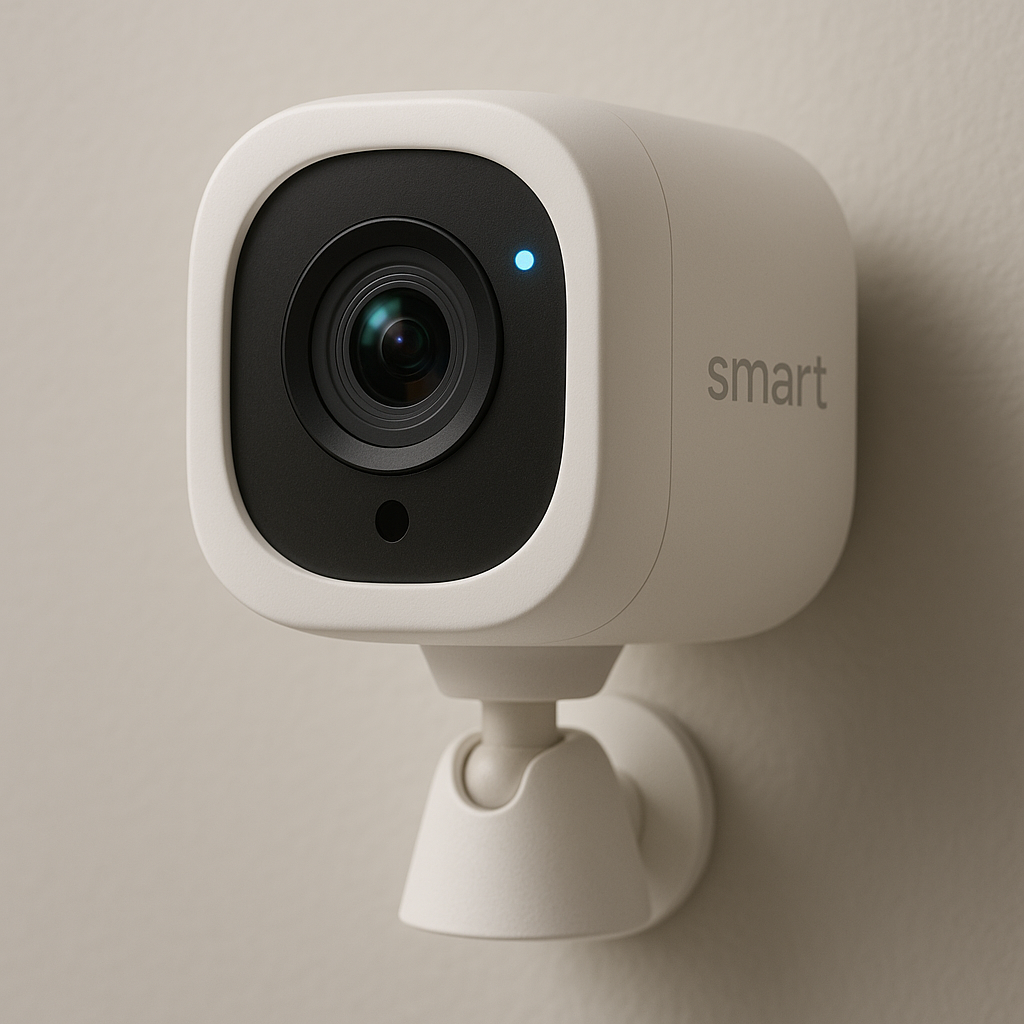
Modern computer vision goes beyond basic surveillance. Today's systems can:
- Detect suspicious behavior patterns in real-time
- Monitor product placement and planogram compliance
- Track customer movement patterns for store optimization
- Automate inventory counts with 99%+ accuracy
2. Predictive Analytics
AI-powered forecasting helps retailers:
- Predict demand fluctuations with seasonal adjustments
- Optimize staff scheduling based on foot traffic patterns
- Identify products at risk of expiration
- Forecast maintenance needs for equipment
3. Natural Language Processing
NLP applications in retail include:
- Customer service chatbots with human-like responses
- Sentiment analysis from customer reviews
- Voice-activated shopping assistance
- Automated report generation from data
Implementation Roadmap
Phase 1: Foundation (Months 1-3)
- Data infrastructure assessment and upgrade
- Staff training on AI concepts and tools
- Pilot program selection and setup
- Integration with existing systems
Phase 2: Expansion (Months 4-8)
- Roll out successful pilots across locations
- Advanced feature implementation
- Performance monitoring and optimization
- Custom model development
Phase 3: Innovation (Months 9+)
- AI-driven business process automation
- Advanced predictive modeling
- Cross-platform AI integration
- Continuous learning implementation
ROI Expectations and Metrics
Published benchmark tables for retail AI — “expect X% improvement in Y months” — are almost always one vendor’s brochure figure repeated until it looks like an industry number. We are not going to add another one. There is no comparable public dataset of retail AI outcomes to draw a typical range from, and a range that is not drawn from anything is a guess with a decimal point.
What you can do instead is establish your own baseline before deploying anything, so that a change has something to be measured against. Four numbers are worth recording first:
- Current inventory variance, and how much of it is already explained by documented breakage, expiry and approved adjustments. The unexplained remainder is the only part any system can act on.
- Till exception volume — how many exceptions are generated per week now, and how many are actually reviewed. If the second number is far smaller than the first, more detection is not your constraint.
- Time spent on manual checks — shelf walks, count reconciliation, chasing exceptions. This is the cost most likely to move first and the easiest to measure honestly.
- How long an incident takes to review today, end to end, from flag to decision.
Measured over a normal trading period before anything changes, these give you a comparison that is actually yours. A vendor percentage does not, because you cannot see the store it came from, the period it covers, or what it was compared against.
Our shrink calculator covers the first of the four, including why the same variance can read as two very different percentages depending on which denominator you choose.
Common Implementation Challenges
Data Quality and Integration
Many retailers struggle with:
- Inconsistent data formats across systems
- Historical data gaps affecting model training
- Real-time data synchronization issues
- Privacy compliance requirements
Change Management
Successful AI adoption requires:
- Comprehensive staff training programs
- Clear communication about AI benefits
- Gradual implementation to reduce resistance
- Ongoing support and feedback mechanisms
Future Trends to Watch
The retail AI landscape continues evolving with emerging trends:
- Edge AI Computing: Processing data locally for faster response times
- Conversational Commerce: AI-powered shopping assistants
- Augmented Reality: AI-enhanced virtual try-on experiences
- Autonomous Operations: Self-managing store systems
Getting Started
Start small with a focused pilot program, measure results carefully, and scale gradually. Success in AI implementation comes from learning and adapting rather than trying to transform everything at once.